
Vinyl flooring is a popular choice for modern homes, offices, shops, and commercial spaces because it combines attractive designs with durability and easy maintenance. It can give you the appearance of wood, stone, or tiles without requiring the same level of upkeep.
However, easy to maintain does not mean maintenance-free. Dust, sand, spills, stains, and everyday foot traffic can gradually make vinyl flooring look dull. The good news is that learning how to clean vinyl flooring is simple. With the right routine and a few basic cleaning tools, you can keep your floor looking fresh for years.
At Abu Dhabi Flooring, we offer vinyl, LVT, PVC, and other flooring solutions designed for both residential and commercial spaces. Our vinyl flooring options are particularly practical because they are durable, stain-resistant, and relatively easy to maintain.
Why Regular Vinyl Floor Cleaning Matters
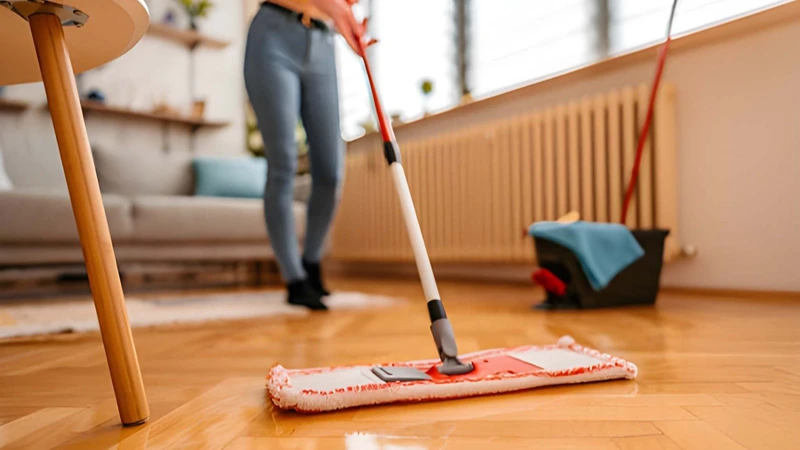
Vinyl flooring has a protective wear layer that helps protect its printed surface from everyday wear. However, dirt and grit can act like tiny abrasives when people walk over them repeatedly.
Regular cleaning helps:
- Remove dust and loose dirt
- Prevent scratches caused by grit
- Keep the flooring looking bright
- Reduce the buildup of stains
- Maintain a hygienic indoor environment
- Extend the attractive appearance of your flooring
A simple cleaning routine is usually much better than waiting until the floor becomes heavily dirty.
What You Need to Clean Vinyl Flooring
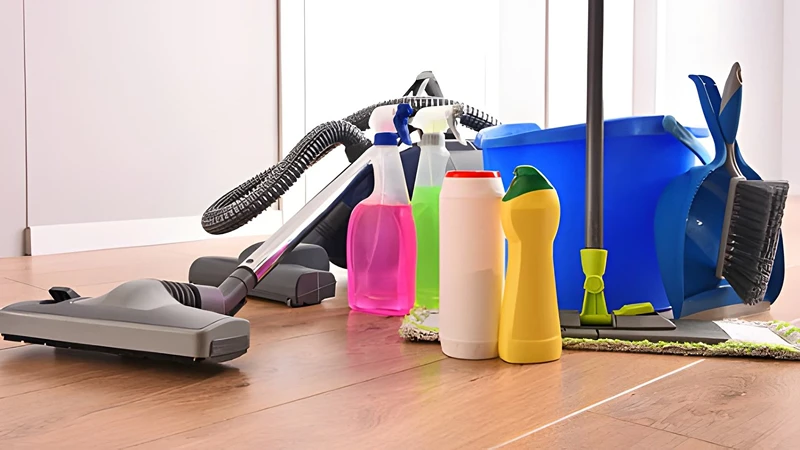
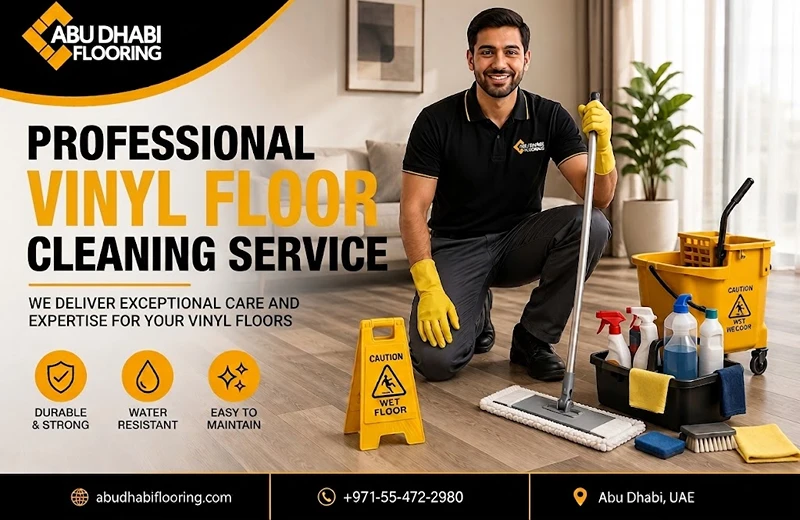
You don’t need expensive equipment to clean most vinyl floors. Keep these basic items available:
- Soft broom or vacuum cleaner
- Microfiber mop
- Bucket
- Warm water
- pH-neutral vinyl floor cleaner or mild detergent
- Soft microfiber cloth
- Soft nylon pad for stubborn marks
Avoid abrasive brushes and rough cleaning pads because they can damage the surface finish. Manufacturer guidance should always take priority, especially for specialist vinyl products.
Step 1: Remove Dust and Loose Dirt
Before using water or any cleaning solution, sweep or vacuum the entire floor.
Pay particular attention to:
- Corners
- Areas around furniture
- Doorways
- Under tables and chairs
- High-traffic walkways
- Edges along walls
This step is important because small particles such as sand and grit can create tiny scratches when dragged across the floor.
If you’re vacuuming, use a suitable setting without an aggressive rotating brush or beater bar.
Step 2: Prepare a Gentle Cleaning Solution
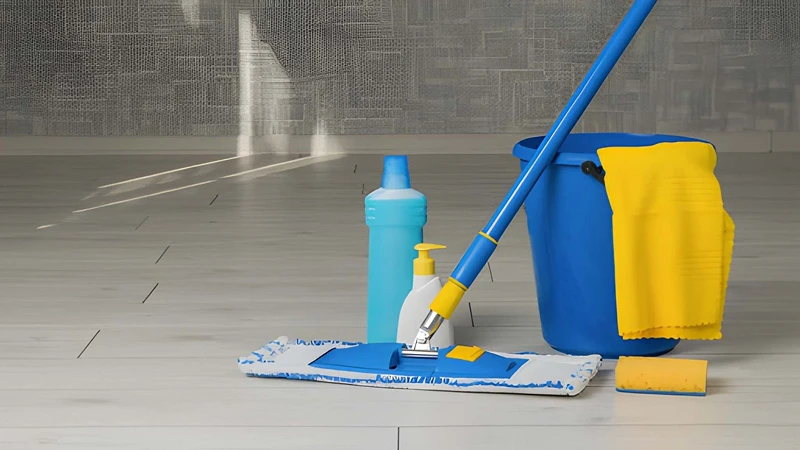
Fill a bucket with warm water and add a small amount of a pH-neutral cleaner designed for vinyl flooring.
The key is not to use too much cleaning product. Excess detergent can leave a sticky residue on the surface, which may actually attract more dust.
For the safest results, check the flooring manufacturer’s cleaning recommendations before using any homemade solution or commercial cleaner.
Step 3: Mop With a Damp Microfiber Mop
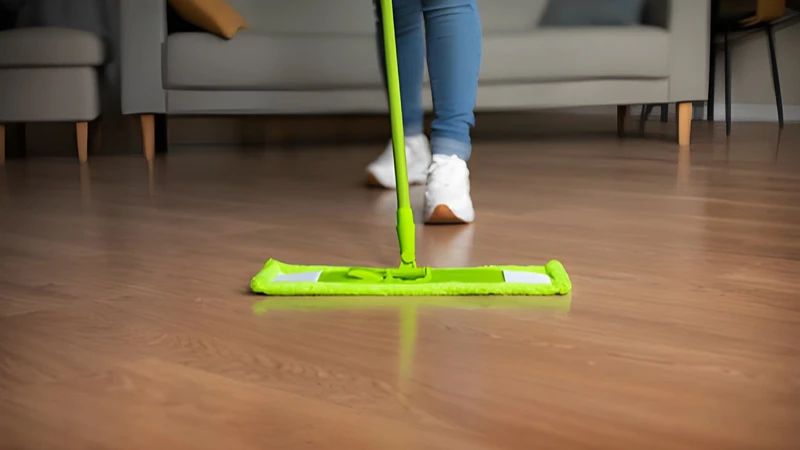
Dip your microfiber mop into the cleaning solution and wring it out thoroughly.
Your mop should be damp, not soaking wet.
Start from the farthest corner of the room and work toward the exit. Clean the floor in small sections and rinse the mop regularly.
Although many vinyl floors are water-resistant or waterproof, excessive standing water is still best avoided. Water can enter seams or edges in some installations and may affect adhesives or the subfloor over time.
Step 4: Deal With Spills and Stains Quickly
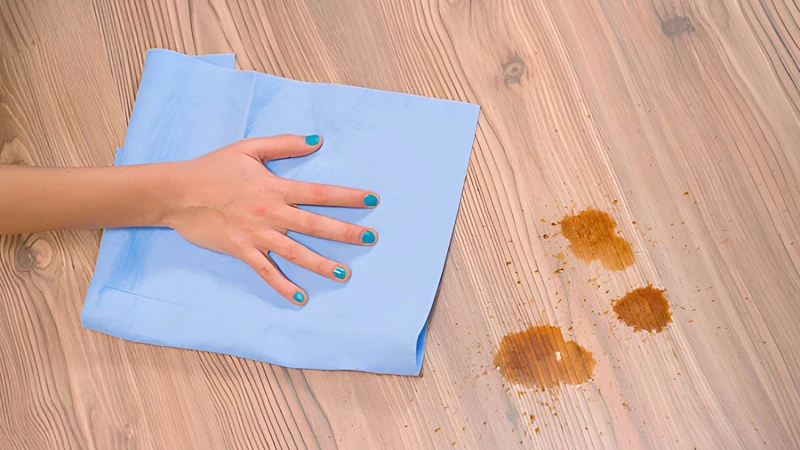
One of the easiest ways to maintain vinyl flooring is to clean spills as soon as they happen.
Coffee, juice, food, oil, and other liquids can become more difficult to remove when left sitting on the surface.
For a fresh spill:
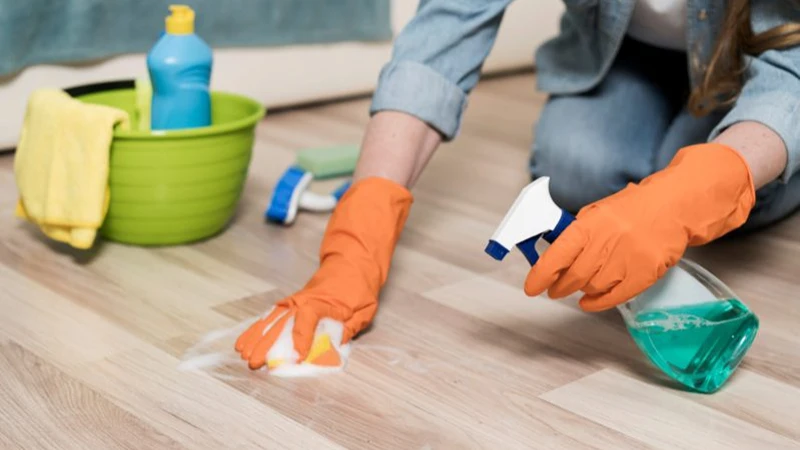
- Wipe it up with a soft cloth.
- Use a small amount of neutral cleaner if necessary.
- Gently wipe the affected area.
- Rinse with clean water if the cleaner requires it.
- Dry the area with a microfiber cloth.
For stubborn stains, avoid aggressive scrubbing. A soft nylon pad and suitable neutral detergent can be used carefully, following the flooring manufacturer’s recommendations.
Step 5: Dry the Floor
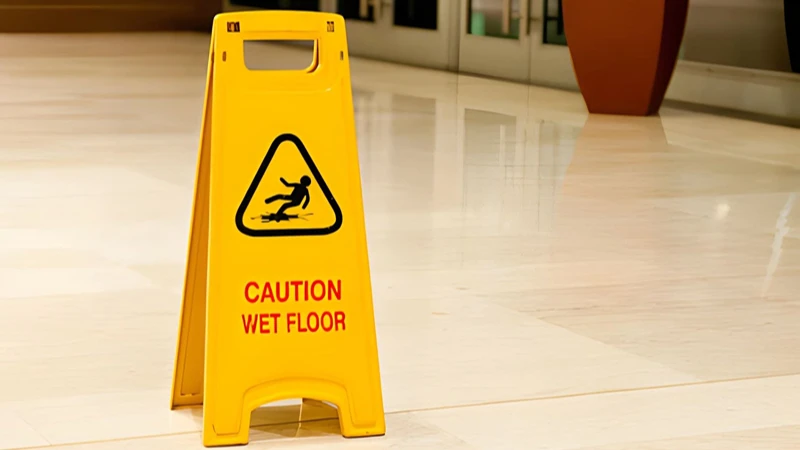
After mopping, allow the floor to dry naturally or wipe away excess moisture with a clean microfiber cloth.
Drying is particularly useful in areas with heavy traffic because it reduces streaks and prevents people from walking across a wet surface.
For commercial spaces, keeping the floor dry also helps maintain a cleaner and safer environment.
How Often Should You Clean Vinyl Flooring?
The ideal cleaning frequency depends on how much the floor is used.
For a typical home:
- Daily or every few days: Sweep or vacuum high-traffic areas.
- Weekly: Damp mop the floor.
- Immediately: Clean spills and stains.
- As needed: Perform a deeper clean when dirt builds up.
For offices, retail stores, restaurants, and other busy commercial areas, you may need to clean high-traffic sections more frequently.
Regular sweeping and occasional damp mopping are generally enough to maintain vinyl flooring.
What Should You Avoid When Cleaning Vinyl Flooring?
Using the wrong cleaning method can do more harm than good. Avoid:
Harsh chemicals: Strong chemicals may affect the protective finish.
Abrasive scrubbers: Rough pads can leave scratches or dull the surface.
Excessive water: Don’t leave pools of water standing on the floor.
Wax and polish: Many modern vinyl floors do not require waxing, and unsuitable products can leave residue.
Bleach and ammonia: Avoid these unless the flooring manufacturer specifically says they are suitable.
Steam cleaning: Steam and high heat may not be appropriate for every vinyl product, so always check the manufacturer’s instructions first.
Simple Tips to Keep Vinyl Flooring Looking New
Cleaning is only part of vinyl floor care. A few everyday habits can make a big difference.
Place mats at entrances to reduce the amount of sand and dirt brought onto the floor. Use protective pads underneath furniture legs to reduce the risk of scratches. Avoid dragging heavy furniture across the flooring, and clean spills promptly.
If your flooring is installed in a busy office or commercial property, establish a regular cleaning schedule rather than waiting for visible dirt to accumulate.
When Should You Consider Professional Flooring Help?
Sometimes cleaning isn’t enough. If your vinyl flooring has lifted edges, damaged sections, deep scratches, loose tiles, or installation problems, professional assessment may be a better option than aggressive DIY cleaning.
Choosing quality vinyl flooring and having it installed correctly can also make long-term maintenance easier. At Abu Dhabi Flooring, our range includes vinyl planks, vinyl tiles, sheet vinyl, loose-lay flooring, LVT, and other flooring solutions, with professional installation and subfloor preparation services available.
Final Thoughts
Knowing how to clean vinyl flooring doesn’t have to be complicated. Sweep or vacuum regularly, remove spills quickly, use a gentle pH-neutral cleaner, and mop with a well-wrung microfiber mop. Most importantly, avoid harsh chemicals, abrasive tools, and excessive water.
With a simple cleaning routine and proper care, vinyl flooring can remain attractive, comfortable, and practical for many years.
If you’re looking for quality vinyl flooring in Abu Dhabi, explore the flooring solutions available from Abu Dhabi Flooring and choose a style that fits your home, office, or commercial space.